

Blood Pressure 101:
Most people worry about high blood pressure but you can have just as many health problems from having low blood pressure. Low blood pressure is also called hypotension and is defined as having a blood pressure lower than 90/60.
For review, you should know that your blood pressure number is actually two numbers together. The first of the two numbers is the systolic blood pressure or the pressure in the arteries when the heart is beating. The second of the two numbers is the diastolic blood pressure, which is the pressure in the arteries when the heart is at rest.
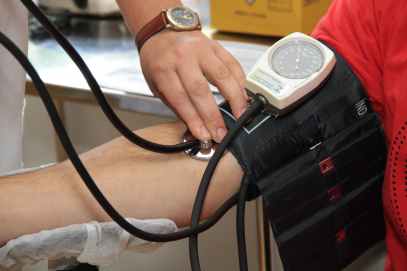
A normal blood pressure is 120/80 in which the systolic number is 120 and the diastolic number is 80. If you are healthy, you have an optimum blood pressure and you have no symptoms whatsoever.
If your blood pressure is too low, however, you can have problems getting the blood to reach the vital organs, including the brain and the heart. You can develop cardiac ischemia or can faint from too little blood reaching the cells of the heart.
Many people have chronically low blood pressure and exhibit no symptoms. This is generally not very serious. Low blood pressure that occurs suddenly, however, can be problematic because too little oxygen gets to the brain and it has an inadequate blood supply to do its job. You may feel lightheaded, dizzy, or suddenly faint from low blood pressure.
The blood pressure usually drops when you get up from a lying down position or get up from a seated position. This is called orthostatic hypotension or postural hypotension. You can also suffer from what is called neurally mediated hypotension, which is when the blood pressure drops from standing up too long.
Orthostatic hypotension comes from a situation where the nervous system or the heart fails to raise the blood pressure when you suddenly change position. When you stand up from a reclining position, some of the blood will remain pooled in your legs and, unless the blood pressure rises, the blood will stay in the legs.
Fortunately, the body is able to compensate for this type of problem by sending a signal to the heart telling it to beat more quickly and sending a signal to the arteries to constrict so the blood pressure rises. If this doesn’t occur, you suffer from orthostatic hypotension.
Older people are at a greater risk of having both low blood pressure and high blood pressure. The normal blood flow to the heart and brain goes down with age due to narrowing of the arteries from arterial plaques that make the blood vessels too stiff to react to changes in position.
About 10-20 percent of individuals older than age 65 suffer from orthostatic hypotension.
Causes of Low Blood Pressure
There are certain medical conditions that can lead to orthostatic hypotension or chronically low blood pressure. These include the following conditions:
- Hypothyroidism
- Low blood sugar
- Diabetes mellitus
- Pregnancy
- Certain OTC medications
- Heart failure
- Overuse of prescription antihypertensive medications
- Overuse of prescription medications for Parkinson’s disease
- Abnormal heart rhythms that slow or increase the heart rate
- Liver disease
- Blood vessel dilatation
- Heat exhaustion
- Dehydration
- Heat stroke
Causes of Acute Hypotension
Under certain conditions, the blood pressure can suddenly drop, leading to a life-threatening problem. These include the following:
- A sudden lowering of body temperature
- A sudden raise in body temperature
- Acute bleeding
- Bacterial sepsis
- Heart failure
- Anaphylaxis
- Severe dehydration
- A reaction to alcohol
Who gets orthostatic hypotension?
Orthostatic hypotension is very common and can occur in anyone who stands up too quickly, especially under situations of dehydration, malnutrition, or extreme tiredness. There are genetic reasons why a person will have low blood pressure. Aging, certain medications, psychological problems, allergies, and infection can all cause orthostatic hypotension.
Orthostatic hypotension is a common phenomenon among people who take medications for hypertension. It is common in pregnant women and in people who have diabetes, certain emotional states, or atherosclerosis. Older people are especially affected by orthostatic hypotension because they are often taking antihypertensive medications or have problems with their autonomic nervous system.
Orthostatic hypotension can happen after eating a meal consisting of to many carbohydrates. This problem, which usually causes dizziness after a meal, is the result of blood, which pools in the area of the intestines and stomach as part of digestion.
There are some classes of medications that are associated with orthostatic hypotension. Two types of medications fall into this category, including:
- Antihypertensive medications, such as beta blockers, ACE inhibitors, diuretics, and calcium channel blockers
- Drugs that treat erectile dysfunction, antipsychotics, anti-anxiety medications, tricyclic antidepressants, drugs for Parkinson’s disease, neuroleptics, and sedative-hypnotic medications.
Orthostatic hypotension can also be caused by the following medical conditions:
- Dehydration from vomiting or diarrhea
- Blood loss from heavy menstrual bleeding
- Advanced age
- Nervous system disorders
- Addison’s disease
- Peripheral neuropathy
- Autonomic neuropathy
- Alcoholism
- Heart problems
- Problems with malnutrition
It is difficult to treat hypotension. In cases of orthostatic hypotension, it is advisable to get up slowly from a reclining position and allow yourself to adjust to the change in position before beginning to walk.
It is always best to see your doctor.
Be well, All the best
Chef Murph


