

The Ketogenic Diet Versus The Paleo Diet:
by Chef Murph
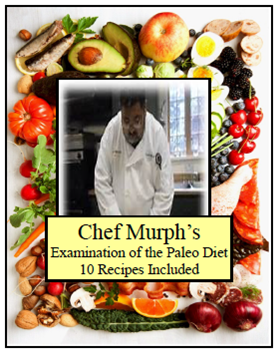 Going Back in Time
A paleo diet is all about reviving our ancestors’ diets back in the day by eating fresh, healthy, wholesome foods that have not been contaminated with additives and preservatives. This highly trending diet, which actually started in 1970 by gastroenterologist Walter L. Voegtlin, includes vegetables, fruits, nuts, roots, and meats. It excludes processed foods, dairy products, grains, sugar and salt, legumes, processed oils, alcohol and coffee.
It is mainly about promoting a healthy lifestyle. It quickly improves the metabolic effects of the body as well as body composition. People feel lighter and actually start to lose weight with this diet because it makes people feel full quicker so they tend to consume less food.
Benefits of a Paleo diet:
- Reduces allergies
- Burns off stored fat because metabolism increases
- Stabilizes blood sugar
- Cleans impurities from skin and teeth
- Improves sleep patterns
- Helps you better absorb nutrients from food since it’s all natural
Daily calories are divided as follows:
- 55% should come from seafood and lean meat – each taking an equal half
- 15% come from fruits, veggies, nuts and seeds each
- There is no dairy, no salt or sugar, and almost no grains
One of the risks of a paleo diet is that it could lead to an insufficient vitamin D & calcium intake and a risk of toxins from a high fish consumption.
How Low-Carb Can You Go?
In a ketogenic, aka low-carb, diet, you’re basically lowering your carb intake drastically, and increasing your fat intake while eating adequate amounts of protein.
The goal behind this is to reach a metabolic state known as ketosis where the body relies on fat as its energy source, instead of glucose, which comes directly from carbohydrates.
If glucose is readily available, the body will use that first because it’s easier and quicker to metabolize. However, glucose weighs the body down and when there is some left over, it quickly turns to fat, something we all dread.
When you’re on a keto diet, you’re ultimately diminishing the amount of glucose in your body to the bare minimum and teaching your body how to rely on ketones – what the body burns for fuel during ketosis.
Ketones are a type of fatty acids, which are a direct result of the liver breaking down protein to be converted into glucose. Ketones are a major source of energy for all major organs, especially the brain that is why people on the keto diet feel more focused and alert.
Benefits of a keto diet:
- Reduces body fat while maintaining muscle mass
- Lowers blood LDL (low-density lipoprotein; the “bad” cholesterol), blood pressure and glucose
- Increases levels of HDL (high-density lipoprotein which protects the heart against diseases; the “good” cholesterol)
- Reduces insulin levels
- Improves symptoms of Parkinson’s disease and reduces seizures in epileptic children
As with any new diet, your body will experience a few, harmless side effects which will be over usually within several days. This initial stage of a keto diet is referred to as “keto flu” because of its flu-like symptoms, which may include digestive discomfort, a lethargic-feeling, sleep issues, and mild nausea.
Differences between keto and paleo:
Paleo diets are not mainly low-carb. It focuses on eating foods with fat and protein but doesn’t necessarily avoid potatoes, carrots, sweet potatoes, and other foods high in carbohydrates. Keto diets are mainly low-carb, eliminating all starches and sugars, including fruit. Most of the carbs on a keto diet come from non-starchy vegetables.
Paleo diets are not high in fat. While the paleo diet in its purest form may have been into foods high in fat, today’s ever-evolving paleo community alters its needs according to the times. Keto diets are high in healthy fats; in fact, it is the primary element of low carb as it supports ketosis or the metabolic process of burning fat for energy versus dietary carbs.
Paleo diet fans don’t eat dairy products in abundance, if at all. Keto diet fans think dairy is a great way to add fat to their diets.
Conclusion
If you’re considering starting a paleo ketogenic diet concurrently, you will definitely start seeing positive results within the first 2-3 weeks.
Everything from the inside out will start feeling healthier, you will also see your weight dropping without losing any of your muscle mass.
Remember that consistency is the key. So make sure to give your body time to adjust to this new routine and metabolic state. Once you get the hang of it, it will definitely become easier.
Enjoy
Chef Murph


